Firsthand kitchen note: I threw away hundreds of dollars of slimy baby spinach and rubbery carrots before I understood moisture control. Produce does not die from age in your fridge. It dies because of trapped condensation and ethylene gas (learn the shelf-life rules in our meal prep food storage guide).
Why moisture kills refrigerator vegetables
Fresh greens respire in your refrigerator crisper drawer. That breathing releases water vapor.
When you leave greens in a sealed plastic grocery bag, that vapor collects on the plastic walls. Drops of water fall back onto the leaves.
Bacteria and mold spores feast on wet leaves. Within four days, crisp green spinach collapses into liquid black muck.
The solution is simple. You must control humidity by absorbing excess liquid while keeping the air cool.
The paper towel lining system
Here is my exact procedure when I return from grocery shopping on Sunday.
I open my clamshell tub of salad greens or baby kale. I place two dry paper towels on top of the greens.
Then I turn the plastic clamshell upside down and put it in my refrigerator crisper drawer.
Any condensation that rises gets absorbed by the paper towel before it can touch the leaves. I replace the paper towel on Wednesday. My greens stay crisp through day ten.
Produce storage matrix by vegetable type
Different vegetables have different moisture requirements. Here is how I treat each item in my weekly cart:
| Vegetable | Storage Method | Expected Shelf Life | Common Mistake to Avoid |
|---|---|---|---|
| Baby Spinach & Arugula | Upside down in tub with dry paper towel | 9 to 11 days | Washing before storage (washes away natural protective cuticles) |
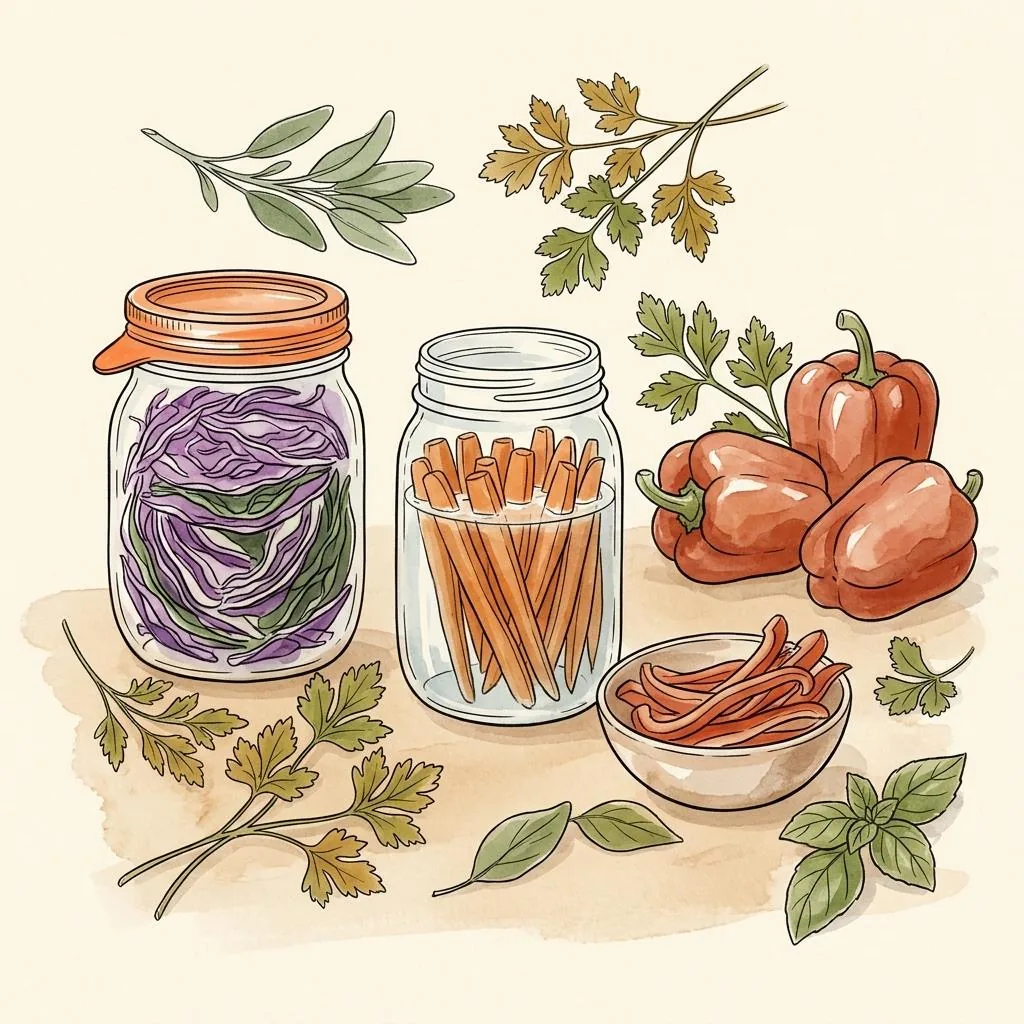
| Whole Carrots & Celery | Submerged in water inside a sealed mason jar | 14 to 18 days | Leaving in loose perforated grocery plastic bags |
| Red & Green Bell Peppers | Dry glass container, whole and uncut | 12 to 14 days | Slicing days ahead (exposed flesh loses moisture rapidly) |
| Purple Cabbage | Wrapped tightly in beeswax wrap or parchment | 21 to 30 days | Shredding the whole head at once |
| Fresh Broccoli Crowns | Stems in a jar of water like flowers | 10 to 12 days | Sealing tightly in plastic bags without ventilation |
| Strawberries & Blueberries | Dilute vinegar bath, dried completely, paper-lined jar | 10 to 14 days | Leaving in the store carton with soft bruised berries |
The vinegar wash for fresh berries
Berries carry invisible mold spores from farm fields. If one berry gets fuzzy, the entire carton spoils by Tuesday morning.
I dunk fresh berries into a bowl with three cups of cold water and 1/2 cup of white vinegar for two minutes. The mild acid kills surface spores without changing the fruit flavor.
Rinse them in a colander with cold tap water. Then spread the berries across a clean kitchen towel to dry for 30 minutes.
Transfer the bone-dry berries into a clean glass jar lined with a dry paper towel. They remain fresh for up to two weeks.
Carrots, celery, and cabbage preservation
Carrots and celery go limp because they lose moisture through their skin. Storing cut sticks in cold water keeps their cellular turgor pressure high.
Slice carrots and celery into snack-sized sticks. Drop them into a tall quart-sized mason jar and fill it with cold tap water.
Close the lid and keep it in your fridge. Change the water every four days. They will snap loudly when you bite them even after two weeks.
Purple cabbage is the king of budget meal prep vegetables. A single large head costs two dollars and provides twelve cups of shredded crunchy slaw.
Cut off only the wedges you need for dinner. Leave the rest of the head intact on its core. It will sit patiently on your fridge shelf for a month without spoiling.
How crisper drawer humidity sliders work
Most people ignore the small plastic sliders on their crisper drawers. Those sliders open and close tiny airflow windows.
When you close the vent, moisture stays trapped inside the drawer. Thin leafy greens like cilantro, parsley, and spinach need high humidity so they do not wilt into dry parchment.
When you open the vent, moisture escapes. Apples, pears, and ripe avocados release ethylene gas as they rest on the shelf. You want that gas to escape through the open vent so your neighboring vegetables do not rot prematurely.
The mason jar bouquet trick for fresh cilantro and parsley
Cilantro and parsley rot within four days if you leave them in grocery plastic bags. I treat them like fresh garden flowers instead.
Trim 1/2 inch off the bottom stems with clean kitchen shears. Fill a small glass jelly jar with two inches of cold tap water.
Place the herb stems directly into the water. Loosely drape a clean produce bag over the leaves and place the jar on a refrigerator door shelf.
Change the jar water twice a week. Your cilantro and flat-leaf parsley will stay crisp and green for 16 days without turning into yellow sludge.
Prepping for midweek bowls
Raw vegetables take up huge volume in your refrigerator. If your fridge shelves feel cramped on Sunday afternoon, roasting solves the space problem.
Two giant sheet pans of raw broccoli, cauliflower, and sweet potatoes shrink by 50% once the moisture cooks off in a hot oven.
You can fit eight servings of roasted vegetables into two compact glass meal prep containers. During the week, you scoop them out cold onto salads or warm them in a pan with eggs.
Frequently asked questions
Should I wash all vegetables as soon as I bring them home?
No. Moisture promotes fungal growth. Only wash vegetables right before you cook or eat them, with the sole exception of berries treated with the quick vinegar dry bath.
Why do tomatoes taste mealy in the refrigerator?
Cold temperatures below 50 degrees break down the enzyme that gives tomatoes their aroma and sweet flavor. Keep fresh whole tomatoes on your kitchen counter stem-down.
Can I freeze fresh spinach if I realize I bought too much?
Yes. If your spinach is nearing day seven and you cannot eat it, toss the entire bag into your freezer. You cannot use thawed spinach in salads because it collapses, but it blends into morning smoothies or stirs into soups.