Core Principle: A balanced diet does not require weighing every morsel or eating identical portions every day. Nutrition science defines balance as an ongoing dietary pattern that provides adequate energy, essential nutrients, and sensory enjoyment while accommodating personal culture, budget, and health status.
What "Balance" Actually Means in Modern Nutritional Science
In contemporary public health frameworks, such as the USDA Dietary Guidelines for Americans and the Harvard Healthy Eating Plate, a balanced diet is defined by the overall quality of food groups consumed over weeks and months, rather than the perfection of any isolated meal. The objective is to fuel physiological processes, support cellular regeneration, stabilize glycemic response, and reduce the long-term risk of cardiovascular disease, type 2 diabetes, and metabolic dysfunction.
Extreme restriction often backfires by causing psychological burnout, social isolation, and rebound overeating. By contrast, a sustainable balanced eating pattern focuses on "nutrient density", foods that supply rich quantities of vitamins, minerals, fiber, and phytonutrients relative to their caloric load.
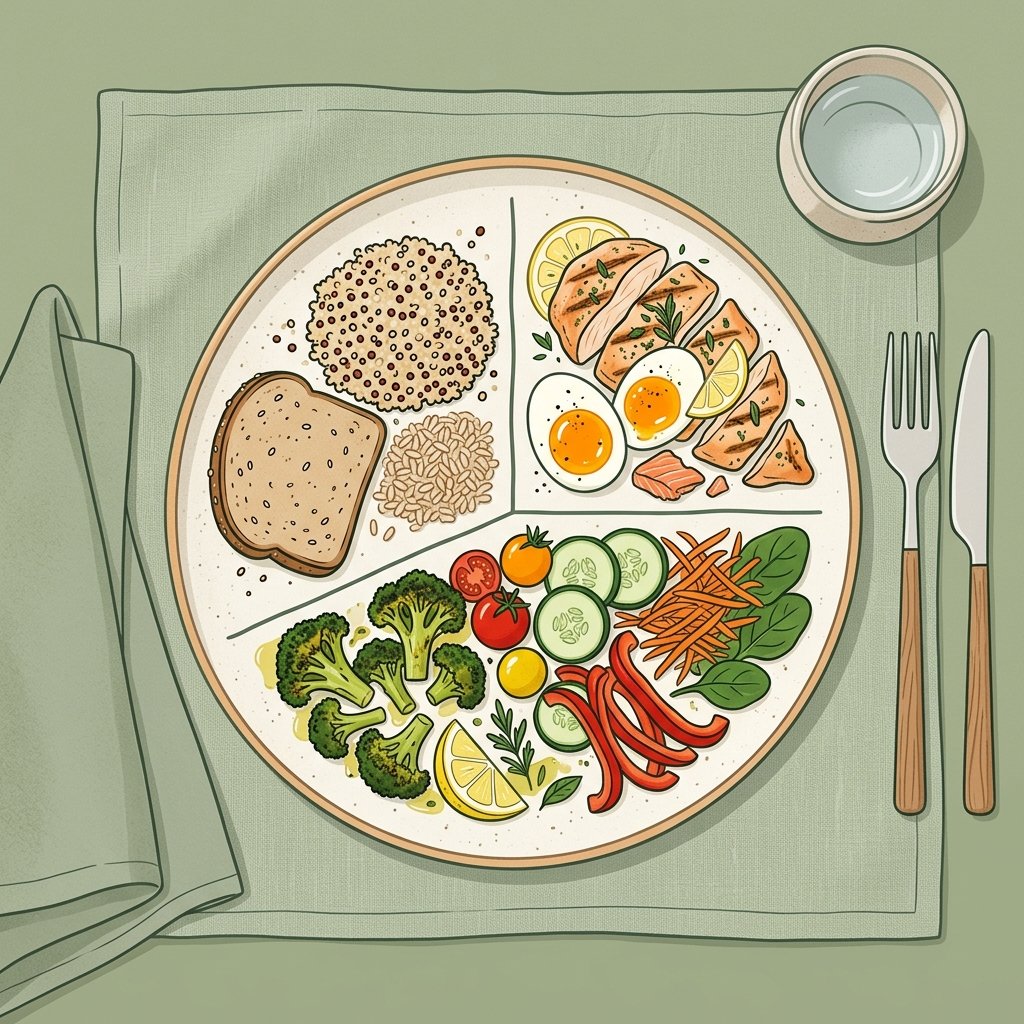
The Visual Plate Method: A Practical Framework
Instead of tracking complicated calorie formulas or weighing ingredients on kitchen scales, clinical registered dietitians frequently teach the Plate Method. This simple visual framework organizes a standard dinner plate (around 9 inches in diameter) into balanced proportions:
1. Half the Plate (50%): Vegetables and Fruits
Dedicate half of your plate to colorful vegetables and non-starchy produce. Leafy greens, broccoli, carrots, peppers, tomatoes, and berries provide high volume and dietary fiber with relatively low caloric density. The soluble and insoluble fibers slow digestion, enhance satiety hormones (such as peptide YY and GLP-1), and nourish gut microbiota.
2. One Quarter of the Plate (25%): Quality Protein
Allocate a quarter of your plate to protein-dense foods. Dietary amino acids are required for enzymatic synthesis, immune antibodies, muscle tissue preservation, and neurotransmitter balance. Aim for varied sources, including fish, skinless poultry, eggs, tofu, tempeh, lentils, beans, and Greek yogurt.
3. One Quarter of the Plate (25%): Complex Carbohydrates & Whole Grains
Fill the remaining quarter with fiber-rich complex carbohydrates or starchy root vegetables. Options like quinoa, brown rice, rolled oats, farro, whole-wheat sourdough, sweet potatoes, and winter squash deliver sustained cellular glucose without the rapid spikes and crashes associated with refined sugars.
4. A Moderate Touch of Healthy Unsaturated Fats
Incorporate small additions of plant-based or marine fats: extra virgin olive oil for dressing or cooking, sliced avocado, or a handful of nuts and seeds. Fats facilitate the absorption of fat-soluble vitamins (A, D, E, and K) and promote satiety.
Understanding Macronutrients: Protein, Carbohydrates & Healthy Fats
Every balanced eating plan rests upon the harmonious interaction of three foundational macronutrients:
Protein: The Structural Workhorse
Proteins are composed of 20 amino acids, nine of which are essential (meaning the human body cannot synthesize them endogenously). Protein has the highest thermic effect of food (TEF), requiring 20% to 30% of its caloric value simply to digest and metabolize, which supports resting metabolic rate during weight management.
Carbohydrates: The Body's Preferred Energy Currency
Carbohydrates are frequently misunderstood in popular diet trends. Whole, unprocessed carbohydrates supply dietary fiber, resistant starch, B vitamins, and essential antioxidants. Soluble fiber binds to bile acids in the small intestine, assisting in healthy cholesterol clearance, while insoluble fiber promotes regular intestinal motility.
Dietary Fats: Cellular Integrity and Hormone Synthesis
Dietary fats are vital for the synthesis of steroid hormones (including estrogen and testosterone), myelin sheath insulation around nerve fibers, and cell membrane fluidity. Mono- and polyunsaturated fatty acids (such as omega-3s and omega-9s) lower LDL cholesterol and systemic inflammation when substituted for industrial trans fats and excess saturated fats.
Step-by-Step Plate Component Breakdown
| Plate Portion | Target Proportion | Recommended Food Choices | Primary Nutritional Role |
|---|---|---|---|
| Vegetables & Fruits | ~50% of visual volume | Spinach, kale, broccoli, bell peppers, berries, citrus, tomatoes | Supplies micronutrients, antioxidants, hydration, and prebiotic dietary fiber. |
| Lean & Plant Proteins | ~25% of visual volume | Wild fish, pasture eggs, skinless poultry, lentils, chickpeas, tofu | Supports tissue repair, immune function, muscle preservation, and satiety. |
| Whole Grains & Starches | ~25% of visual volume | Oats, quinoa, brown rice, whole-grain sourdough, sweet potatoes | Provides sustained glucose release, glycogen repletion, and B-complex vitamins. |
| Beneficial Fats | 1 to 2 tablespoons | Extra virgin olive oil, avocado, walnuts, chia seeds, hemp hearts | Enables fat-soluble vitamin uptake (A, D, E, K) and cardiovascular health. |
Micronutrient Diversity & The Power of Color
Beyond macronutrients, true nutritional balance requires micronutrient diversity. Different plant pigments correspond to unique protective phytonutrients:
- Red Foods (Tomatoes, Watermelon, Red Peppers): Rich in lycopene, an antioxidant linked to prostate and cardiovascular health.
- Orange and Yellow Foods (Carrots, Squash, Oranges): High in beta-carotene (provitamin A) and bioflavonoids that support mucosal membranes and vision.
- Green Foods (Kale, Brussels Sprouts, Broccoli): Packed with sulforaphane, indole-3-carbinol, vitamin K, and folate for cellular detoxification and blood coagulation.
- Blue and Purple Foods (Blueberries, Blackberries, Red Cabbage): Concentrated in anthocyanins that cross the blood-brain barrier to protect neural tissues from oxidative damage.
Common Balanced Diet Misconceptions & Pitfalls
Many well-intentioned eaters stumble into common traps when attempting to eat "healthy":
- Demonizing Entire Food Groups: Cutting out all carbohydrates or all fats without medical indication often leads to nutritional deficiencies and eventual bingeing.
- Ignoring Liquid Calories: High-sugar beverages, specialty coffee drinks, and commercial smoothies can deliver massive glucose loads without providing fullness.
- Focusing on "Clean" vs. "Dirty" Foods: Attaching moral labels to eating creates anxiety. A sustainable pattern allows room for cultural favorites and treats (the 80/20 lifestyle principle).
- Over-relying on Ultra-Processed "Health" Snacks: Protein bars and diet snacks frequently contain synthetic emulsifiers, excess sodium, and artificial sweeteners that can disrupt digestion.
When Generic Dietary Advice Needs Personalization
The standard plate method is a general public health guideline. Individual metabolic circumstances frequently necessitate customized dietary protocols under the supervision of a physician or Registered Dietitian (RD):
Clinical Conditions Requiring Tailored Nutrition:
- Type 1 or Type 2 Diabetes: Carbohydrate timing, portion distribution, and glycemic index require careful alignment with insulin or oral medications.
- Chronic Kidney Disease (CKD): May necessitate restricting protein, sodium, potassium, or phosphorus based on glomerular filtration rate (GFR).
- Celiac Disease & IBD: Requires strict elimination of gluten or individualized low-FODMAP protocols during inflammatory flares.
- Pregnancy & Lactation: Demands higher intake of folate, choline, iron, iodine, and docosahexaenoic acid (DHA).
Frequently Asked Questions
Can I eat a balanced diet as a vegetarian or vegan?
Yes. A plant-exclusive balanced plate emphasizes legumes (lentils, black beans, chickpeas), soy products (tofu, tempeh, edamame), nuts, seeds, and diverse grains for complete amino acid profiles. Vegans should ensure adequate vitamin B12 supplementation and monitor iron, zinc, iodine, and omega-3 (algal oil) status.
Are frozen or canned vegetables as healthy as fresh produce?
Yes. Commercial frozen vegetables are typically flash-frozen at peak ripeness within hours of harvesting, which locks in vitamins and minerals that can degrade during fresh produce shipping and storage. Canned vegetables are also nutritious; opt for low-sodium or rinse them under running water before cooking.
Do I need to eat balanced plates at every single meal?
No. Your body does not reset its nutritional ledger at midnight. If breakfast is lighter on vegetables, you can emphasize salads and roasted vegetables at lunch or dinner. What matters most is the cumulative weekly average of your nutritional intake.