Guiding Principle: There is no single "miracle" food that can heal digestive disorders in isolation. The most potent gut-supportive diet is defined by plant diversity, prebiotic richness, unpasteurized fermented staples, and low intake of ultra-processed emulsifiers.
The 30-Plant Rule: Why Variety Outweighs Any Superfood
In the largest citizen-science microbiome initiative to date, the American Gut Project (involving over 10,000 human participants across multiple continents), researchers discovered a clear behavioral pattern separating diverse, resilient microbiomes from dysbiotic ones. Participants who consumed more than 30 different types of plant foods per week had significantly higher microbial diversity and lower antibiotic-resistant bacterial markers than those who ate fewer than 10 plant types per week.
Importantly, "plant foods" includes more than just green salads. Every whole grain (oats, brown rice, barley), legume (lentils, chickpeas, black beans), vegetable, fruit, nut, seed, herb, and spice counts toward this weekly tally. Each distinct plant contains unique molecular structures of fiber and polyphenols that cater to specific commensal bacterial taxa.
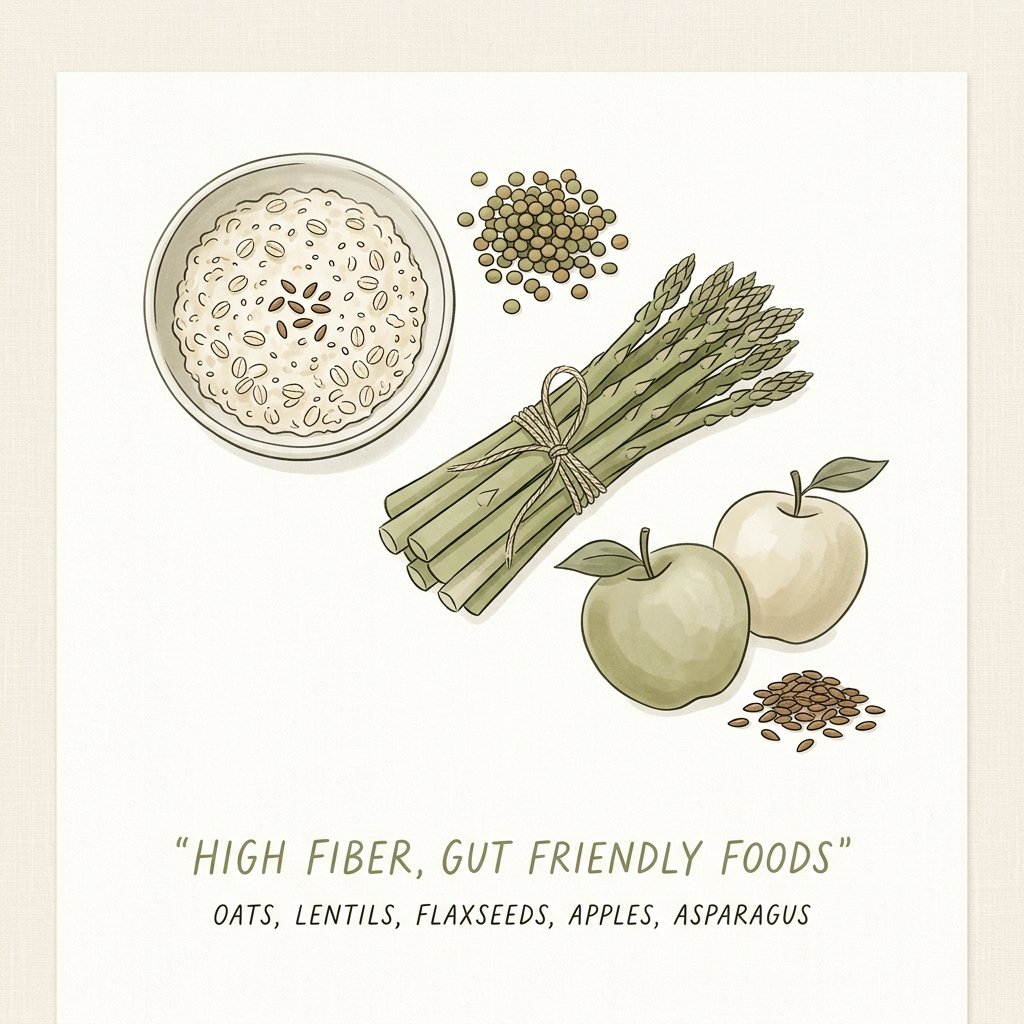
Top Prebiotic Foods That Feed Beneficial Bacteria
Prebiotics are specialized plant fibers that resist human enzymatic digestion in the mouth, stomach, and small intestine. They arrive intact in the cecum and colon, where specialized bacteria metabolize them via anaerobic fermentation into health-promoting short-chain fatty acids (SCFAs).
1. Allium Vegetables (Garlic, Onions, Leeks, Shallots)
Alliums are exceptionally rich in inulin and fructooligosaccharides (FOS). These soluble fibers act as dedicated fuel for Bifidobacterium and Lactobacillus species, which help maintain intestinal pH and suppress opportunistic pathogens.
2. Legumes and Pulses (Lentils, Chickpeas, Black Beans)
Packed with both soluble and insoluble fiber along with resistant starches, legumes provide substantial bulk and support butyrate production. If you experience bloating with legumes, soaking dried beans thoroughly and cooking with kombu seaweed or introducing portions gradually can dramatically improve tolerance.
3. Whole Oats and Barley
Oats and hulled barley contain rich concentrations of beta-glucan, a viscous soluble fiber scientifically shown to lower systemic LDL cholesterol, delay gastric emptying for stable satiety, and stimulate immune cell receptors in the gut wall.
4. Green Bananas and Plantains
Under-ripe, slightly green bananas contain high levels of type-2 resistant starch. As bananas ripen and turn yellow with brown spots, this resistant starch converts into simple fructose. Green bananas provide exceptional substrate for colonocytes without raising blood sugar.
Fermented Foods: Introducing Live Cultured Strains
Consuming traditionally fermented foods delivers billions of active, organic acid-producing microorganisms directly to the digestive lumen:
- Plain Kefir: A fermented milk drink made with kefir grains. Unlike regular yogurt (which usually contains two to four bacterial strains), traditional kefir often harbors between 30 and 50 distinct strains of beneficial bacteria and yeasts, making it one of the most potent cultured foods available.
- Unpasteurized Sauerkraut & Kimchi: Raw fermented cabbage supplies high concentrations of Leuconostoc and Lactobacillus species along with dietary fiber, vitamin C, and glucosinolates. Ensure you buy refrigerated, unpasteurized jars (shelf-stable canned versions have been heat-pasteurized, killing live organisms).
- Miso and Tempeh: Fermented soybean products created with the fungal culture Aspergillus oryzae or Rhizopus. Fermentation breaks down anti-nutrients (phytates), enhancing the bioavailability of iron, magnesium, and plant proteins.
The Power of Resistant Starch and Colonocyte Fuel
Resistant starch behaves biologically like soluble fiber. One of the simplest culinary techniques to boost resistant starch is the "Cook and Cool" method. When starchy foods (such as potatoes, white or brown rice, and pasta) are boiled and then cooled in the refrigerator for 12 to 24 hours, their amylose molecules undergo retrogradation, reorganizing into a crystalline structure that human digestive amylase cannot break down.
Even if you gently reheat these foods the next day, a substantial portion of the resistant starch remains intact, reducing the meal's glycemic spike by up to 30% and delivering rich fuel to butyrate-producing bacteria in your lower bowel.
Comprehensive Gut Foods Comparison Table
| Food Item | Category | Active Bioactive Component | Digestive Mechanism & Impact |
|---|---|---|---|
| Kefir / Plain Yogurt | Fermented Dairy | Live lactic acid cultures (Lactobacilli) | Modulates luminal pH, inhibits pathogen adhesion, enhances lactose tolerance. |
| Lentils & Chickpeas | Legumes / Pulses | Oligosaccharides & resistant starch | Drives colonic butyrate generation, stabilizes postprandial glucose. |
| Steel-Cut Oats | Whole Grains | Beta-glucan soluble fiber | Forms mucosal protective gel; supports bile acid binding and lipid clearance. |
| Asparagus & Leeks | Prebiotic Veggies | Inulin & FOS | Selectively stimulates Bifidobacterial growth; supports regular bowel habits. |
| Raw Sauerkraut | Fermented Plants | Lactic cultures & glucosinolates | Provides microbial diversity and anti-inflammatory breakdown products. |
| Wild Blueberries | Polyphenol Fruits | Anthocyanins & flavonoids | Neutralizes luminal oxidative stress; feeds beneficial Akkermansia. |
Polyphenols: The Microbiome's Antioxidant Shields
Polyphenols are secondary plant metabolites that defend plants against UV radiation and pests. In humans, over 90% of dietary polyphenols escape small intestine absorption and arrive in the colon. There, commensal bacteria transform large polyphenol molecules into bioactive phenolic acids with systemic anti-inflammatory actions.
Rich sources include dark berries (blueberries, blackberries), green tea (epigallocatechin gallate, or EGCG), extra virgin olive oil, and 70%+ dark cocoa. Polyphenol consumption directly promotes the abundance of Akkermansia muciniphila, a bacterium responsible for maintaining the thickness and resilience of the intestinal mucus barrier.
Sample Everyday Gut-Supportive Meal Blueprint
- Breakfast: Overnight steel-cut oats soaked in plain kefir, topped with chia seeds, wild blueberries, and a handful of chopped walnuts. (Plant score: 5)
- Lunch: Grain bowl featuring cooled brown rice, roasted broccoli, massaged kale, spiced chickpeas, and a dollop of unpasteurized kimchi with a lemon-tahini dressing. (Plant score: 7)
- Afternoon Snack: Sliced crisp apple with raw almond butter and a cup of steeped peppermint or green tea. (Plant score: 3)
- Dinner: Wild-caught salmon fillet seasoned with garlic and rosemary, served alongside roasted sweet potato wedges, sautéed asparagus, and a side green salad with extra virgin olive oil. (Plant score: 6)
Ingredients That Can Disrupt the Gut Mucosal Barrier
Just as certain foods nourish beneficial microbiota, several modern dietary components can degrade the protective mucosal lining:
- Synthetic Dietary Emulsifiers (Polysorbate 80, Carboxymethylcellulose): Common in commercial ice creams and packaged dressings, emulsifiers have been shown in animal and in-vitro human models to dissolve mucosal protective barriers, allowing bacteria to contact epithelial cells directly.
- Excess Artificial Sweeteners (Sucralose, Saccharin): High doses may alter microbial composition and impair glycemic tolerance in sensitive individuals.
- High Dietary Saturated Fat Paired with Refined Sugar: The combination typical of Western fast food supports blooms of pro-inflammatory Bilophila wadsworthia and raises circulating endotoxins (lipopolysaccharides).
Frequently Asked Questions
What should I do if high-fiber foods cause gas and bloating?
Experiencing gas when suddenly ramping up fiber is normal. The solution is not to eliminate fiber, but to increase it gradually. Introduce one new high-fiber food every few days, cook vegetables instead of eating them raw (which softens tough plant walls), chew each bite thoroughly, and ensure you drink extra water so soluble fiber can form a soft gel rather than hard fecal mass.
Does bone broth heal a "leaky gut"?
Bone broth contains amino acids like glycine and glutamine, which are building blocks for intestinal mucosal tissues. While drinking warm, savory broth is hydrating and soothing, there is limited clinical evidence that bone broth alone repairs intestinal barrier dysfunction without broader dietary changes focused on fiber, polyphenols, and stress management.
Are store-bought probiotic sodas and drinks effective?
Many commercial "gut health" sodas contain added inulin and flavorings. While they can be a healthier alternative to conventional sugary sodas, they often contain only 2 to 5 grams of isolated fiber and cannot substitute for the broad spectrum of fibers, polyphenols, and micronutrients found in whole fruits, vegetables, and legumes.