What to Look for When Adopting Your First Cat: A 2026 Beginner’s Guide
Bringing a cat into your home is a beautiful experience. In 2026, more people than ever are choosing cats as their “daily co-pilots” because they fit so well into busy, modern lives. However, adopting a cat is about more than just finding a cute face at the shelter. It is about finding a companion that matches your energy and your home environment.
If you are a first-time owner, you might feel a bit overwhelmed. Should you get a tiny kitten or a calm senior? How do you know if the cat is healthy? This guide will walk you through exactly what to look for so you can start your journey as a cat parent with confidence.
Table of Contents
1. Personality vs. Looks: Finding the Right Match
While you might have a specific color or breed in mind, a cat’s personality is what truly matters for a happy home. Every cat has a unique soul. Some are “velcro cats” that will follow you everywhere, while others are independent and prefer their own space.
When you visit a shelter, spend at least 15–20 minutes with the cat.
- The “Social” Cat: If the cat comes to the front of the cage and rubs against your hand, they are likely very social and will need a lot of attention.
- The “Wallflower”: If the cat hides in the back, they might be shy. These cats often become the most loyal companions once they feel safe, but they require patience.
If you are worried about behavior, make sure to read our guide on ****.
2. Choosing the Right Age: Kitten, Adult, or Senior?
The age of the cat you adopt will completely change your daily routine. In 2026, many owners are looking at “healthspan”—which means keeping pets healthy and active for as long as possible.
- Kittens (0-1 year): They are high-energy and adorable, but they are also a lot of work. They need constant supervision and training.
- Adults (1-7 years): Their personality is already formed. You know exactly what you are getting. They are usually more relaxed than kittens.
- Seniors (7+ years): Senior cats are the “hidden gems” of shelters. They are calm, usually litter-trained, and very grateful for a quiet home.
3. Essential Health Checks for New Adopters
Even though shelters do their best, you should do a quick “head-to-tail” check before finalizing the adoption. In 2026, preventive care is a top priority for pet parents.
- Eyes: They should be clear and bright, with no discharge or “cloudiness.”
- Ears: Look for black, coffee-ground-like specks. This could mean ear mites.
- Coat: The fur should be soft and clean. Check for “flea dirt” (tiny black dots) or bald patches.
- Energy Level: A healthy cat should be alert, even if they are a bit sleepy or shy.
To keep your cat healthy from day one, it’s important to understand their diet. Check out our deep dive on ****.
4. Preparing Your Home: The "Cat-Ready" Checklist
Before you bring your new friend home, you need to have the right gear. 2026 trends show that “cat furniture” that looks like human decor is becoming very popular, but you should start with the basics first.
Item | Why You Need It | Estimated Cost (2026) |
Litter Box & Scoop | Essential for hygiene. | $\$25 – \$50$ |
High-Quality Food | Supports long-term health. | $\$30$ (Monthly) |
Scratching Post | Saves your furniture from claws. | $$20 – $\$60$ |
Cat Carrier | For safe travel to the vet. | $\$35$ |
Interactive Toys | Provides mental stimulation. | $\$15$ |
5. The First 24 Hours: A Slow Introduction
The biggest mistake new owners make is giving the cat too much freedom too fast. A new home is scary! When you arrive, put the cat in one “base camp” room (like a spare bedroom or office) with their food, water, and litter box.
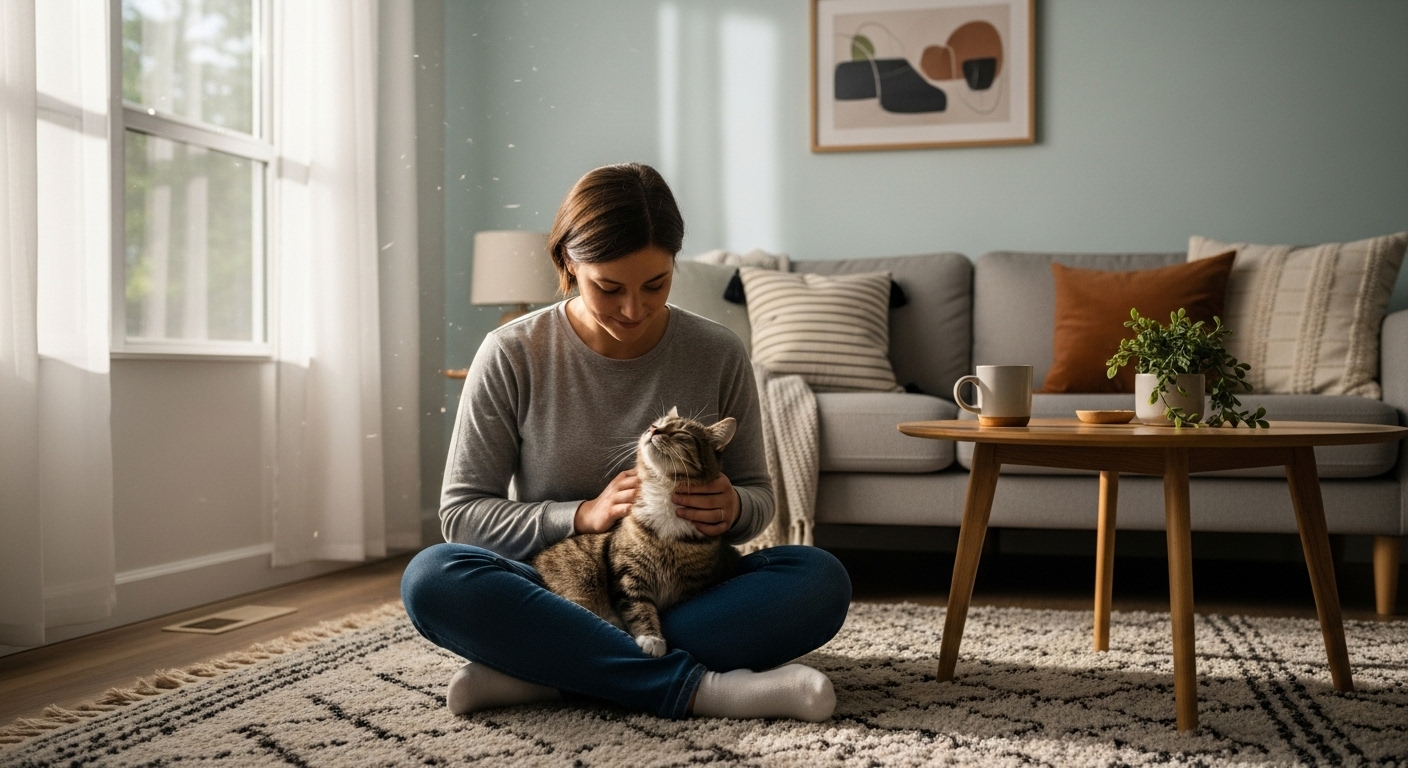
Let them come to you. Sit on the floor and read a book or scroll through your phone. Let them sniff you. This builds trust. If you are also a dog owner, you’ll need a specific strategy; see our guide on ****.
My Professional Advice: Listen to the Shelter Staff
Shelter workers spend all day with these cats. They know which cat hates dogs, which one loves children, and which one is a “midnight zoomie” champion. Tell them honestly about your lifestyle. If you work 10 hours a day, tell them! They will help you find a cat that is happy to stay home alone.
Conclusion: A Long-Term Commitment
Adopting a cat is a 15–20 year commitment. By looking for the right personality and doing your health checks, you are setting yourself up for a lifetime of purrs and head-bumps. Remember, the best cat for you isn’t necessarily the one that looks the best on Instagram—it’s the one that feels like family.
Are you ready to adopt? Tell us in the comments what kind of cat you are looking for!