Balanced Assessment: Social media is neither purely toxic nor purely beneficial. Psychological research demonstrates that outcomes depend heavily on how platforms are used: active, intentional connection supports belonging, whereas passive, endless scrolling fuels comparison, envy, and depressive symptoms.
The Neurobiology of Feeds: Dopamine & Variable Rewards
Modern social media applications (Instagram, TikTok, X, YouTube Shorts) are engineered using behavioral principles originally identified by B.F. Skinner in operant conditioning experiments. Specifically, platforms utilize intermittent variable reward schedules, the identical neurochemical mechanism that makes slot machines addictive.
When you pull down to refresh a feed, your brain does not know whether you will see a boring post, an amusing video, an outrage-inducing news story, or a validating notification. This uncertainty triggers an anticipatory surge of dopamine in the mesolimbic pathway. Because the reward is unpredictable, the urge to check repeatedly becomes compulsive, hijacking executive control centers in the prefrontal cortex.
The Mindful Social Media Check-In Pathway
Rather than swinging between complete digital abstinence and hours of uncontrolled scrolling, cultivate intentional digital presence using the four-step framework above:
- Notice: Pay attention to your somatic state before and after opening an app. Are you feeling energized, inspired, or drained and insecure?
- Adjust: Unfollow, mute, or block accounts that trigger body dissatisfaction, financial inadequacy, or political outrage.
- Protect: Guard sacred restorative zones, particularly the first 30 minutes of your morning and the final 60 minutes before sleep.
- Support: Replace digital validation seeking with face-to-face or voice-to-voice communication with real-world confidants.
The "Comparison Trap" and Upward Social Comparison
In 1954, psychologist Leon Festinger formulated Social Comparison Theory, establishing that humans possess an innate drive to evaluate their abilities and opinions by comparing themselves to others. In ancestral environments, comparisons were made within small tribes of a few dozen peers.
Today, algorithms present an endless parade of extraordinary wealth, airbrushed physical beauty, exotic vacations, and professional milestones. When you engage in upward social comparison online, you subconsciously compare your complete internal reality, including your mundane struggles, self-doubt, and messy days, against the heavily staged, filtered highlight reels of millions of strangers. Over time, this disparity erodes self-worth and breeds chronic dissatisfaction.
Sleep Displacement & Nocturnal Screen Exposure
One of the most biologically destructive impacts of social media is sleep displacement. Taking devices into the bedroom creates two distinct physiological challenges:
- Melatonin Suppression: The short-wavelength blue light emitted by smartphone screens suppresses pineal melatonin secretion, tricking the suprachiasmatic nucleus into believing it is midday and delaying sleep onset latency.
- Cognitive Hyperarousal: Reading polarizing commentary, emotionally charged debates, or sensational news stimulates the locus coeruleus and floods the nervous system with norepinephrine, making physiological relaxation impossible.
Active Connection vs. Passive Scrolling: Key Differences
| Behavior | Typical Activities | Psychological Outcome |
|---|---|---|
| Active Engagement | Direct messaging close friends, posting genuine creative art, participating in supportive mutual-interest groups | Builds social capital, enhances perceived social support, deepens real relationships. |
| Passive Consumption | Mindlessly scrolling algorithmic recommendation feeds, monitoring an ex-partner's profile, silently comparing lifestyles | Heightens loneliness, triggers envy, depresses self-esteem, accelerates burnout. |
| Doomscrolling | Compulsively consuming catastrophic news feeds, political outrage threads, crisis commentary | raises systemic cortisol, triggers persistent hypervigilance and helplessness. |
Algorithmic Rabbit Holes & Health Misinformation
Engagement-maximizing algorithms reward sensational, emotional, and polarizing content over nuanced, evidence-based science. In health and wellness, this often manifests as "pop psychology" trends, self-diagnosis videos for complex psychiatric conditions (ADHD, DID, autism), and unsupported medical promises.
While sharing mental health experiences helps dismantle social stigma, relying on viral 30-second clips for medical diagnosis often pathologizes normal human emotional fluctuations and delays formal clinical evaluation by licensed professionals.
Digital Boundary Architecture: Concrete Action Steps
Regaining sovereignty over your digital habits requires friction-based behavioral engineering:
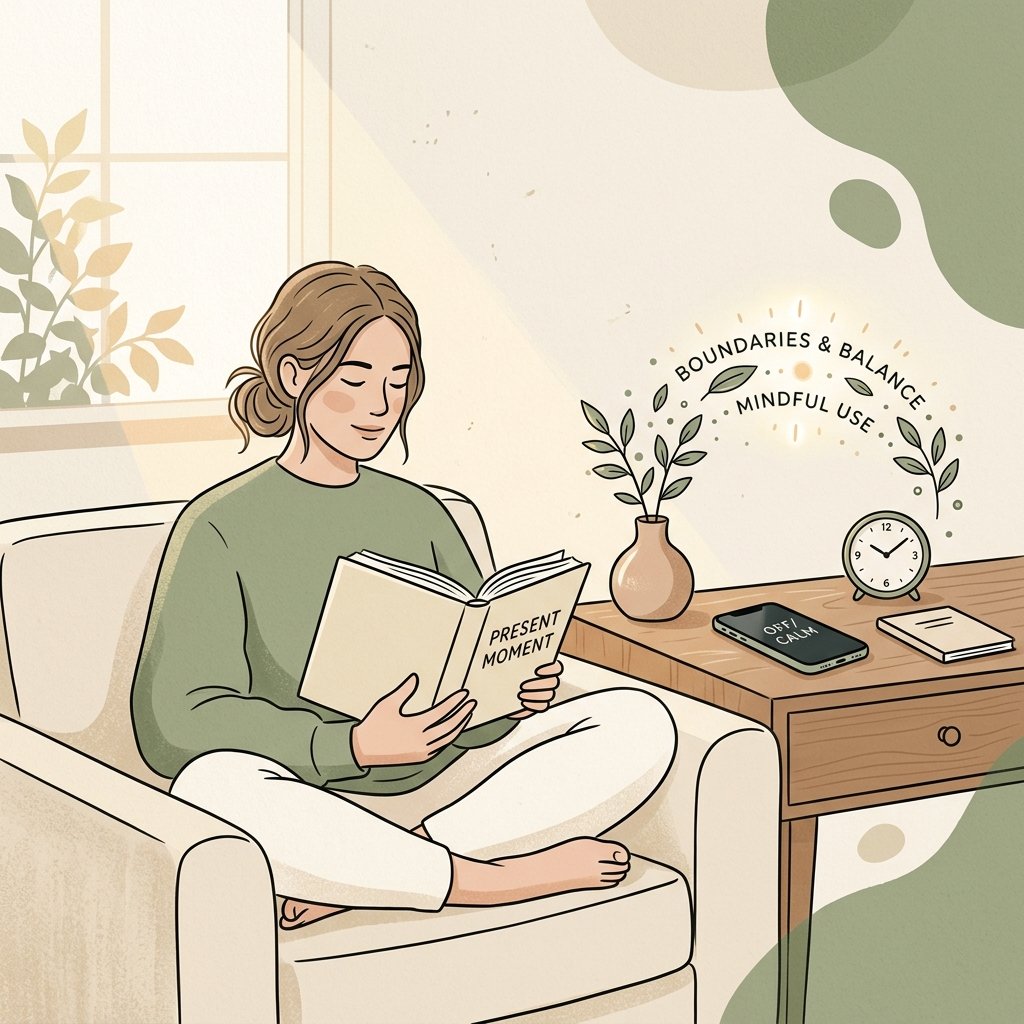
- Charge Your Phone Outside the Bedroom: Buy an inexpensive standalone alarm clock. Removing the smartphone from your bedside table immediately eliminates late-night doomscrolling and morning dread.
- Switch Your Display to Grayscale: Removing colorful red notification badges and saturated app colors dramatically decreases the dopamine reward response. In iOS and Android accessibility settings, set color filters to grayscale.
- Implement App Timers & Notification Silencing: Turn off all non-human notifications. Allow calls and direct texts from family, but silence algorithmically generated banners like "Someone you may know posted for the first time in a while."
- Practice a Weekly "Digital Sabbath": Choose one afternoon or weekend day each week to leave your phone in a drawer, engaging fully in offline sensory hobbies, cooking, nature walks, and face-to-face companionship.
Special Considerations: Teens & Vulnerable Users
The United States Surgeon General issued a landmark Advisory highlighting that adolescent brains are uniquely vulnerable to social media harms. During puberty, the socio-emotional reward centers of the brain mature years before the prefrontal impulse-control networks finish developing.
Teens, particularly adolescent girls, exhibit higher rates of depressive symptoms and body dysmorphia correlated with high social media usage. Parents and caregivers are urged to establish tech-free family meal times, keep screens out of children's bedrooms overnight, and support open, non-judgmental discussions about online social comparison.
Frequently Asked Questions
Does quitting social media completely cure depression?
No. Clinical depression is a complex medical condition shaped by genetics, neurochemistry, trauma, and socioeconomic factors. However, stepping back from social media eliminates a major daily source of social comparison, sleep disruption, and anxiety, which frequently provides substantial cognitive clarity and emotional relief.
How much daily social media time is considered safe?
Research published in the Journal of Social and Clinical Psychology demonstrated that limiting social media use to approximately 30 minutes per day resulted in statistically significant reductions in loneliness and depression over a three-week period. Focus on reducing passive scrolling while preserving direct personal messaging.
How can I tell if my social media use has become problematic?
Warning signs include feeling intense anxiety when separated from your phone, checking feeds compulsively during in-person conversations or while driving, sacrificing essential sleep to scroll, and noticing that opening an app consistently leaves you feeling envious, irritable, or emotionally drained.