Clinical Key Takeaway: A heart-healthy diet is not about searching for an exotic "miracle superfood" or adhering to punitive deprivation. Lifelong cardiovascular risk reduction is achieved through cumulative dietary patterns rich in whole plant foods, viscous soluble fibers, wholesome unsaturated fatty acids, and potassium-dense staples, balanced with minimal ultra-processed sodium and added sugars.
1. Beyond "Superfoods": The Power of Whole Dietary Patterns
The nutrition landscape is frequently overwhelmed by commercial claims heralding individual items, such as acai berries, red wine, or coconut oil, as miraculous protectors of cardiovascular vitality. Nutritional epidemiology and cardiology have soundly demonstrated that no single isolated food or supplement can counteract an otherwise pro-inflammatory, nutrient-poor diet.
Cardiovascular disease develops over decades in response to systemic vascular insults: chronic endothelial oxidative stress, circulating atherogenic apolipoprotein B particles, and arterial shear pressure. Protecting the arterial tree requires a synergistic dietary matrix, a consistent, habitual pattern of eating that delivers complementary antioxidants, anti-inflammatory polyphenols, micronutrients, and prebiotic fibers at every meal.
2. Gold-Standard Cardioprotective Diets: Mediterranean, DASH, and Portfolio
Three thoroughly investigated dietary patterns show rigorous clinical trial backing for preventing cardiovascular morbidity and mortality:
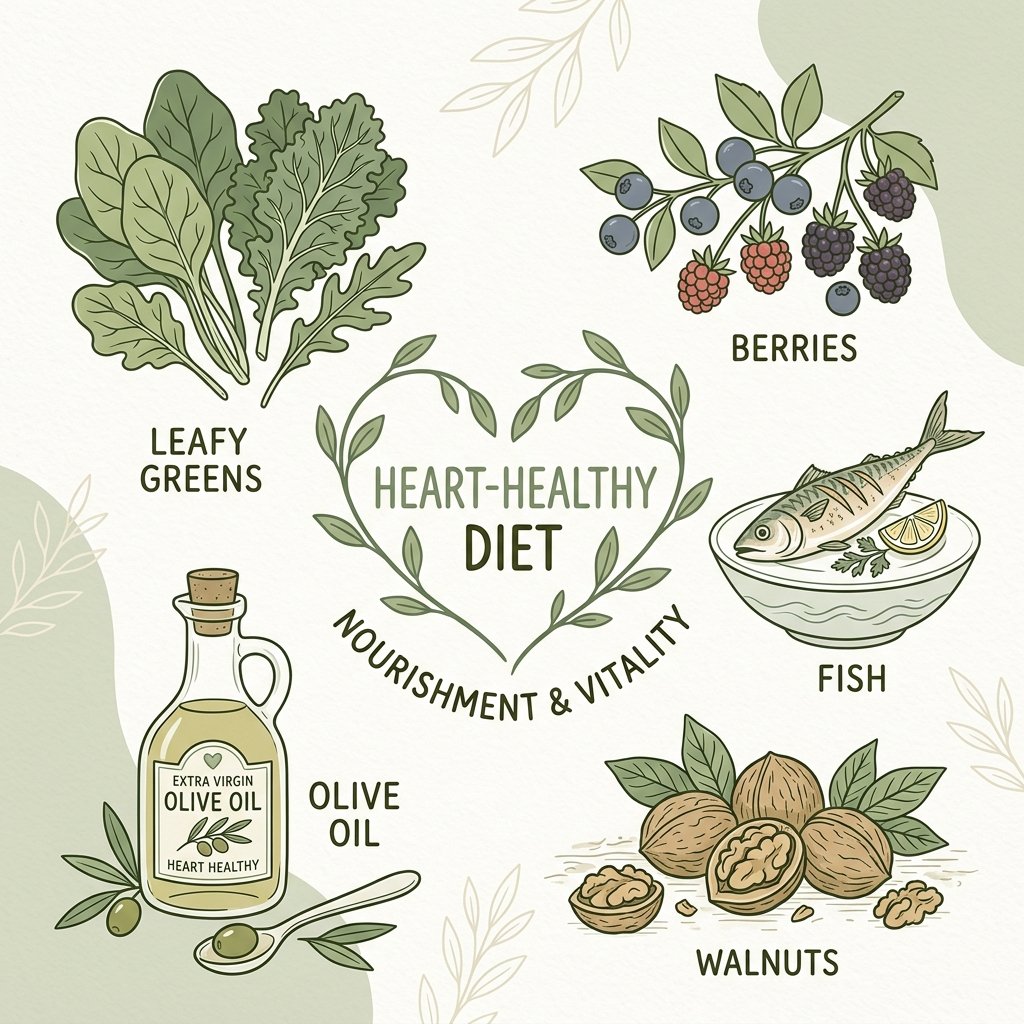
- The Mediterranean Diet: Validated by landmark randomized controlled trials including the PREDIMED study, this traditional eating pattern emphasizes extra virgin olive oil as the primary culinary fat, abundant colorful vegetables, fruits, whole grains, beans, tree nuts, and moderate amounts of omega-3-rich seafood and poultry, with minimal red and processed meats. PREDIMED demonstrated a 30% relative risk reduction in major adverse cardiovascular events (stroke, myocardial infarction, cardiovascular death).
- The DASH Diet (Dietary Approaches to Stop Hypertension): Developed under the auspices of the National Institutes of Health, DASH specifically combats arterial hypertension by emphasizing foods rich in potassium, calcium, and magnesium (fruits, vegetables, legumes, low-fat dairy, whole grains) while restricting sodium to 1,500 to 2,300 mg per day. DASH reliably lowers systolic blood pressure within 2 to 4 weeks.
- The Portfolio Diet: A therapeutic dietary pattern formulated by Canadian researchers that combines four specific cholesterol-lowering food components: soluble viscous fiber (oats, barley, psyllium), plant sterols/stanols (enriched foods or supplements), soy/legume proteins (tofu, edamame), and tree nuts (almonds, walnuts). Clinical trials show the Portfolio diet can lower atherogenic LDL-C by up to 25% to 30%, comparable to first-generation statin therapy.
3. Nutritional Biochemistry: Fats, Fiber, and Lipid Metabolism
Understanding how specific nutrients interact with human vascular biology dispels common dietary myths:
Dietary Fats: Quality Over Quantity
The outdated low-fat dogma of the 1980s incorrectly lumped all lipids together. In reality, fat quality dictates cardiovascular trajectory:
- Monounsaturated Fatty Acids (MUFAs): Found in abundance in extra virgin olive oil, avocados, and almonds. MUFAs improve endothelial vasodilation and maintain protective HDL-C while reducing oxidized LDL particles.
- Polyunsaturated Fatty Acids (PUFAs): Marine omega-3 fatty acids (eicosapentaenoic acid [EPA] and docosahexaenoic acid [DHA] in wild salmon, mackerel, and sardines) lower serum triglycerides, decrease platelet aggregation, and stabilize cardiac electrical conduction against arrhythmias. Plant omega-3s (alpha-linolenic acid [ALA] in chia seeds, flaxseeds, and walnuts) provide additional anti-inflammatory benefits.
- Saturated Fatty Acids (SFAs): Certain long-chain saturated fats (palmitic, myristic, and lauric acids found in fatty meats, butter, palm oil, and coconut oil) downregulate hepatic LDL receptor expression, leaving atherogenic LDL particles circulating in the bloodstream longer. The American Heart Association recommends limiting saturated fats to under 6% to 10% of total calories.
- Industrial Trans Fats: Artificially hydrogenated vegetable oils raise atherogenic LDL while simultaneously depressing protective HDL. They should be strictly avoided (0 grams).
Viscous Soluble Fiber: The Natural Cholesterol Trap
Soluble viscous fibers, such as beta-glucan found in whole rolled oats and barley, pectins in apples and citrus, and mucilage in psyllium, form a thick gel in the gastrointestinal lumen. This gel binds cholesterol-rich bile acids excreted by the liver and carries them out through digestion. To synthesize new bile acids, the liver is forced to upregulate LDL receptors and extract LDL particles directly from circulating blood, safely reducing circulating serum cholesterol.
4. The Sodium-Potassium Axis and Blood Pressure Regulation
Most public health discussions focus exclusively on cutting sodium. However, physiology reveals that the sodium-to-potassium ratio in your diet is a far more decisive predictor of hypertension and stroke risk than sodium intake alone.
The vascular endothelium relies on cellular sodium-potassium ATPase pumps. While excess dietary sodium draws fluid into the intravascular compartment, raising hydrostatic arterial pressure, dietary potassium promotes renal excretion of sodium, relaxes vascular smooth muscle cells, and induces peripheral arterial vasodilation.
In standard Western diets, individuals consume excessive sodium (often >3,500 mg daily, primarily from hidden salts in packaged breads, cured meats, and restaurant fare) and deficient potassium (<2,300 mg daily). A heart-healthy diet aims for a sodium intake below 2,300 mg (or 1,500 mg if hypertensive) alongside a potassium intake of 3,500 to 4,700 mg derived from whole plant staples like spinach, sweet potatoes, lentils, bananas, and avocados.
5. Actionable Food Swaps and Cardioprotective Mechanisms (Table)
| Food Category | Cardiovascular Risk Choice | Heart-Protecting Alternative | Underlying Biological Mechanism |
|---|---|---|---|
| Cooking Fats | Butter, lard, coconut oil, palm oil | Extra virgin olive oil, avocado oil | Replaces saturated palmitic acid with cardioprotective oleic acid and polyphenols |
| Breakfast Staples | Refined sugary pastries, bacon, sausages | Steel-cut oats with chia seeds, walnuts, and berries | Delivers viscous beta-glucan to bind bile acids; avoids sodium and advanced glycation products |
| Protein Sources | Fatty cuts of beef, hot dogs, processed deli meats | Lentils, wild salmon, sardines, baked tofu | Supplies anti-inflammatory marine omega-3s (EPA/DHA) and plant phytosterols |
| Snacks | Potato chips, salted crackers, milk chocolates | Unsalted raw almonds, walnuts, apple slices with peanut butter | Provides L-arginine (precursor to nitric oxide) and magnesium for endothelial relaxation |
| Beverages | Sugar-sweetened sodas, sweet tea, commercial energy drinks | Water infused with citrus, unsweetened hibiscus tea, sparkling water | Prevents hepatic fructose lipogenesis and acute arterial endothelial stiffening |
6. Practical Meal Architecture: Assembling Balanced Plates
Building heart-protective meals does not require complicated recipe books. Use this simple visual plate formula for lunch and dinner:
- Half the Plate: Colorful Non-Starchy Vegetables: Fill 50% of your plate with leafy greens, broccoli, roasted bell peppers, tomatoes, carrots, or asparagus. These provide essential potassium, magnesium, folate, and antioxidant carotenoids.
- One-Quarter of the Plate: Cardioprotective Proteins: Include 25% lean protein, such as baked wild salmon, skinless poultry, black beans, edamame, or lentils. Incorporate fatty fish at least twice weekly.
- One-Quarter of the Plate: Intact Whole Grains or Starchy Tubers: Choose 25% fiber-dense carbohydrates, such as quinoa, brown rice, farro, barley, or roasted sweet potatoes with skins.
- Dressing with Wholesome Lipids: Drizzle 1 to 2 tablespoons of extra virgin olive oil, or garnish with a quarter of an avocado or a handful of toasted seeds.
7. Special Clinical Nuances: Kidney Disease, Heart Failure, and Anticoagulants
While general heart-healthy eating benefits most people, patients with existing cardiovascular or comorbid conditions must follow personalized medical guidance:
Important Clinical Exceptions:
- Chronic Kidney Disease (CKD): Patients with impaired renal filtration cannot clear excess potassium efficiently. High-potassium foods (potatoes, bananas, spinach) must be strictly managed with a renal dietitian to prevent dangerous hyperkalemia.
- Congestive Heart Failure: Individuals with heart failure often require strict sodium limits (<1,500 mg daily) and daily fluid restriction to prevent pulmonary edema and acute fluid overload.
- Warfarin (Coumadin) Anticoagulation: Patients on vitamin K antagonist blood thinners must maintain consistent, predictable dietary intake of vitamin K-rich dark leafy greens (kale, collards, spinach) to avoid destabilizing their therapeutic International Normalized Ratio (INR).
8. Frequently Asked Questions
Is coconut oil genuinely good for the heart?
Despite heavy marketing claims, coconut oil is approximately 82% to 90% saturated fat, substantially higher than butter or lard. Randomized controlled trials consistently demonstrate that coconut oil raises circulating LDL cholesterol compared to unsaturated plant oils like olive or canola oil. The American Heart Association advises against using coconut oil as a primary cooking fat.
Can eating eggs raise my risk of heart disease?
For most healthy individuals, moderate consumption of eggs (1 to 2 eggs per day) does not significantly increase cardiovascular disease risk. While egg yolks contain dietary cholesterol, for the majority of people, dietary cholesterol has a minor impact on circulating blood cholesterol compared to saturated fat. However, individuals with diagnosed type 2 diabetes or hyper-responders should discuss egg intake with their physician.
Does drinking red wine protect against heart attacks?
While red wine contains resveratrol (a plant polyphenol), the amount present is too minuscule to provide therapeutic benefits without consuming toxic amounts of alcohol. Modern global cardiology guidelines emphasize that alcohol is a cardiac toxin that raises blood pressure, increases atrial fibrillation risk, and is not recommended as a health intervention.
How quickly can a heart-healthy diet improve cholesterol and blood pressure?
Remarkably quickly. Rigorous clinical trials (such as the DASH and Portfolio diet studies) show that adopting an optimal cardioprotective dietary pattern can lower blood pressure within 14 days and decrease atherogenic LDL cholesterol within 4 to 6 weeks.